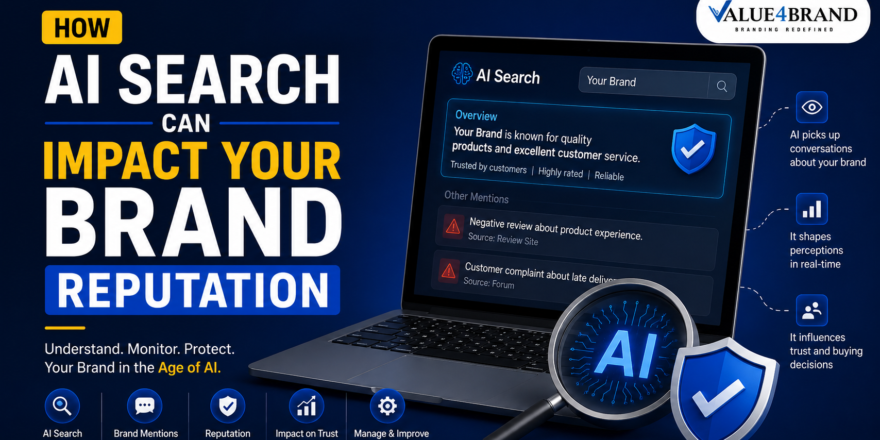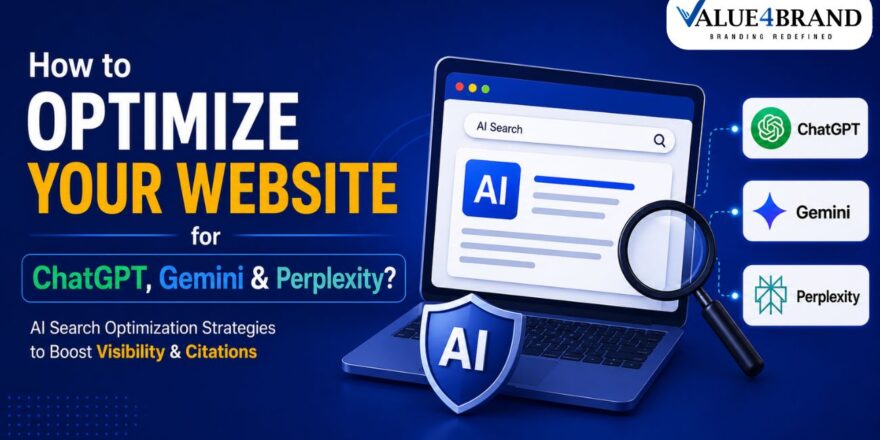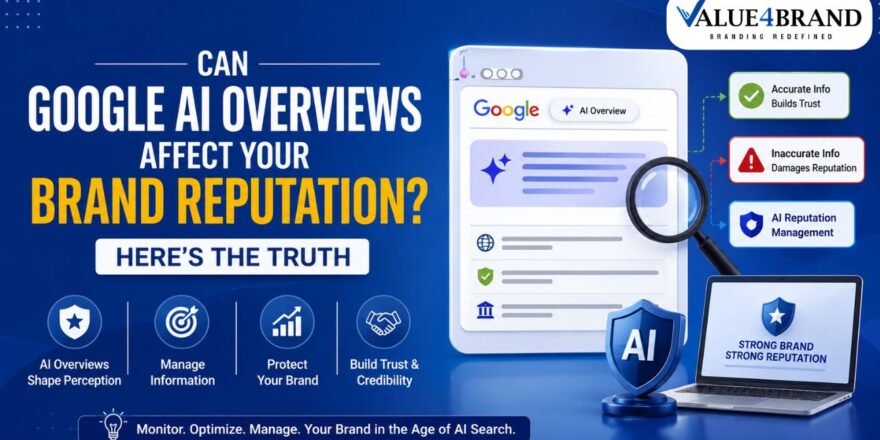
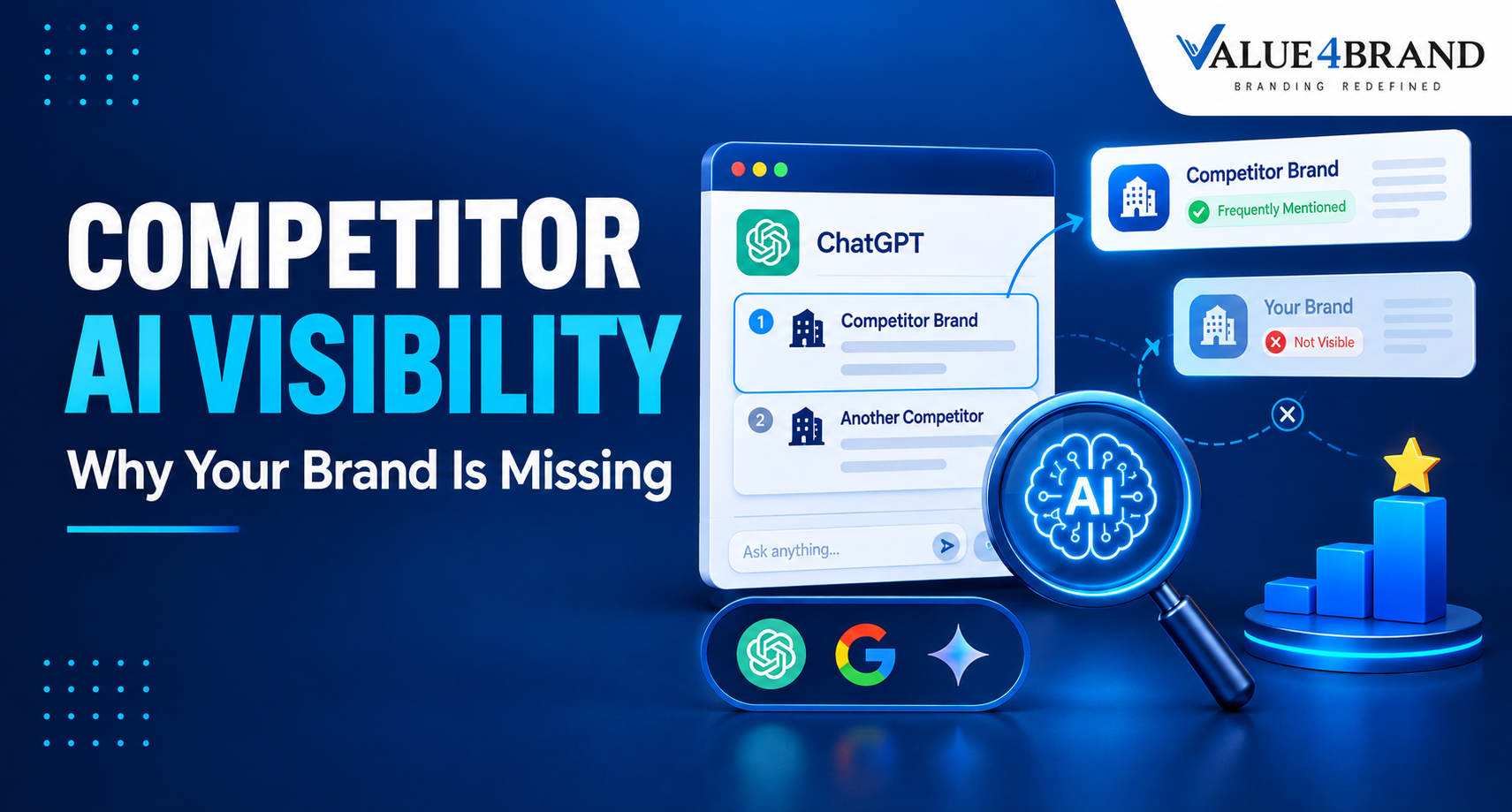
A brand’s competitor may appear in AI-generated answers. However, that brand may actually remain invisible to prospective buyers. High competitor AI visibility can happen when artificial intelligence systems like ChatGPT and Gemini have strong signals for competing businesses across reliable sources online. A company may have low or no third-party mentions. Or, its topic associations could be weak. Such issues can affect how these systems understand that company. As competitors receive more visibility from AI systems, they may get more exposure as well, which may positively influence user searches. Understanding these and other reasons behind this gap is vital for addressing it. After finding out the cause, through relevant strategies, visibility can be built or improved.

Reach out to us anytime — we’re just a message away !!
We’d love to hear from you! Whether you have a question, feedback, or just want to say hello, our team is here to help.
Schedule a CallWhat is Competitor AI Visibility?
Competitor AI visibility means how frequently a competing business appears when AI systems like Gemini, Claude, and ChatGPT generate answers. These responses include brand mentions, citations, recommendations, as well as references across these search platforms. They help in creating high visibility. Thus, these systems are able to recognize them more than others.
Why Do Your Competitors Appear in AI Searches but You Don’t?
A brand’s competitors may appear more in AI searches when they have greater visibility. This can be due to a lack of mentions across third-party websites. Note that these sites are important for artificial intelligence-driven systems. As they discover these sources, they trust the company mentioned.
There are several other reasons that further explain why the AI brand visibility gap persists.
Limited Relevance of Topics
AI systems, such as Microsoft Pilot and DeepSeek, need to understand what a brand is known for prior to connecting it with queries that matter. If its content does not consistently have links between that brand and essential industry-related topics, then its competitors may show up with higher visibility.
Complex Content Structure
Content that is difficult to navigate is challenging for AI-powered systems to go through and identify information that is relevant. Thus, competitor visibility in AI search can get an advantage. Web pages, articles, or blogs may comprise long sections with no clear headings. They may lack answers with key details. Such information can fail to stand out.
Answering Topics but Not Addressing User Queries
A company may cover relevant topics through its content across web pages and blogs. But without answering the particular questions that users ask, it may not appear in AI systems’ responses.
These systems often need information that directly matches the search intent. However, when the content only generally or broadly discusses a topic, visibility is impacted.
Poor Readability of Content
High competitor AI visibility can arise when a brand publishes content that is difficult to read and is less useful for AI systems, let alone for readers. Overly long paragraphs and confusing explanations are hard to interpret. Without clear language, the communication of ideas becomes poor.
Inconsistencies in Brand Description
A brand can lose its visibility to AI when different descriptions circulate about it on the web. They can create confusion about what it actually offers. This results in weak signals for AI systems like ChatGPT and Gemini. Moreover, the brand identity becomes less reliable.
Build AI Visibility for Your Brand with Value4Brand
Value4Brand, known for result-oriented digital marketing solutions, specializes in building and improving AI search visibility through AEO and GEO strategies. It has a team that combines artificial intelligence-based search expertise with its knowledge of search engine optimization. By doing so, it improves brands’ discoverability against competitors.
Effective Strategies for Brand Mentions in AI Answers
The leading digital marketing company in India, Value4Brand uses AI optimization along with online visibility measures. Thus, it broadens the scope for AI search mentions for brands. These measures focus on making their information clearer, enhancing authority, and enabling AI systems to discover them more than their competitors.
- For strong Generative Engine Optimization (GEO), it structures the content and schema.
- Its AEO practices focus on conversational queries as well as direct answers.
- The content is built around users’ questions and search intent so AI systems can understand and use this information.
- Its thorough knowledge of LLMs helps boost AI search optimization.
- Through information consistency online, it drives clarity for brand signals.
- Its strong knowledge of reputation management enables the company to:
- Boost mentions across third-party websites.
- Increase activities like digital PR and genuine customer reviews.
- Influence positive public discussions.
- Ensure better visibility for businesses against their competitors.
To detect why competitors get mentioned in AI answers and how to address the challenge, connect with Value4Brand.
On the Whole,
Knowing why a brand’s competitors appear in AI answers is essential to fix the visibility gap. Each gap can indicate a different area that requires attention. Once the cause is detected, strategies can be implemented to control competitor AI visibility. Thus, that brand can get more mentions and be included in AI systems’ answers.
FAQs
Q1. Why is my competitor mentioned in ChatGPT but my brand is not?
A competitor may be mentioned in ChatGPT if it has stronger signals through trustworthy sources. These signals may include content relevance, external mentions, information consistency, and brand authority.
Q2. Can a new brand gain visibility in AI answers?
Yes, a new brand can get AI visibility. For this, it can develop useful content that AI systems can navigate and understand. Topical relevance should also be focused on for this purpose.
Q3. What makes a brand more likely to appear in AI-generated answers?
A company is highly likely to show up in AI-based answers when its authority is solid. Besides, when its content is relevant and its structure comprises the needed H2s, H3s, as well as easy-to-read content, systems like ChatGPT, Claude, and Gemini can reward it with more visibility than its competitors.
Q4. How long will it take to improve AI brand visibility?
The timeline for improving AI brand visibility can be determined based on the specific brand, as well as its industry, who it is competing against, and its current online presence.
Q5. Does website authority affect AI brand mentions?
Website authority can impact a company’s visibility in AI answers. But it is not the sole factor that can do so. The importance, quality, and citations related to the content matter as well.
Q6. Why do some competitors get mentioned for more queries?
For particular queries by users, certain competitors rank higher than others due to a greater number of third-party references and solid authority over topics.
Q7. How can I find out why AI platforms are not mentioning my brand?
To find out why an AI platform is not citing a specific brand, its mentions across search engines should be checked. A professional approach by an AEO and GEO company can also work reliably to identify the primary and secondary causes.
Q8. What can I do if my competitors have more AI mentions than my brand?
If a brand’s competitors have more mentions in AI answers, then it can strengthen its content practices to navigate the challenge. It should also have more external links and fix any inconsistencies in its NAP details, website URL, and other such information across online directories, platforms like G2, Google My Business, and others.